
Introduction
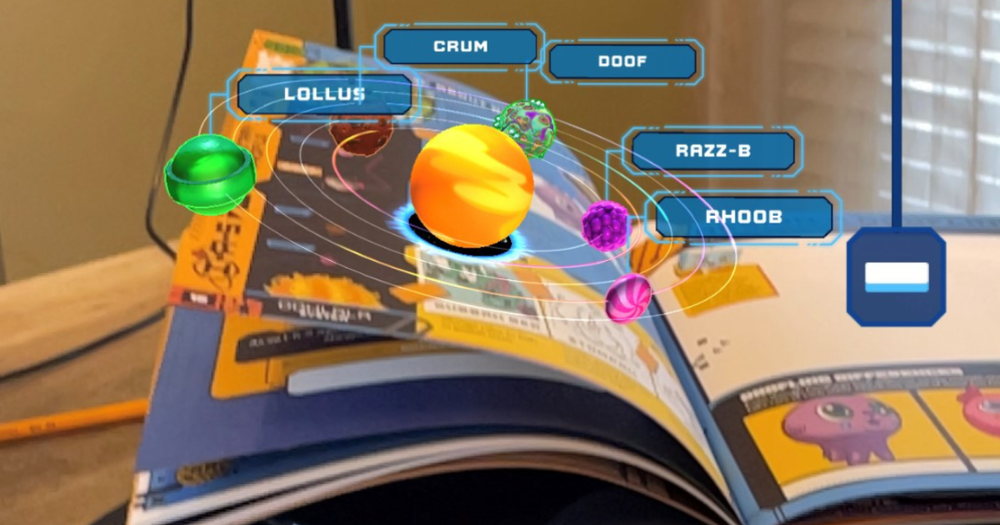
As augmented reality (AR) and virtual reality (VR) technologies become increasingly accessible, educators are discovering innovative ways to enhance learning experiences. This article presents 23 resources that can help teachers effectively integrate AR and VR into their classrooms. These resources include tools, platforms, and best practices that cater to various educational needs and subjects. Whether you're looking to engage students in immersive learning or enhance traditional teaching methods, these resources provide valuable insights and practical applications for educators.
Key Features:
- Diverse Resources: A collection of tools and platforms tailored for different educational contexts.
- Practical Applications: Insights on how to implement AR and VR in various subjects and grade levels.
- User-Friendly: Resources designed to be accessible for educators with varying levels of technical expertise.
Use Cases:
- Enhancing Engagement: Use AR and VR to create interactive lessons that captivate students' attention.
- Facilitating Remote Learning: Leverage these technologies to provide immersive experiences for remote learners.
- Supporting Diverse Learning Styles: Cater to visual, auditory, and kinesthetic learners through interactive content.