
Introduction to Inclusive Learning Tools
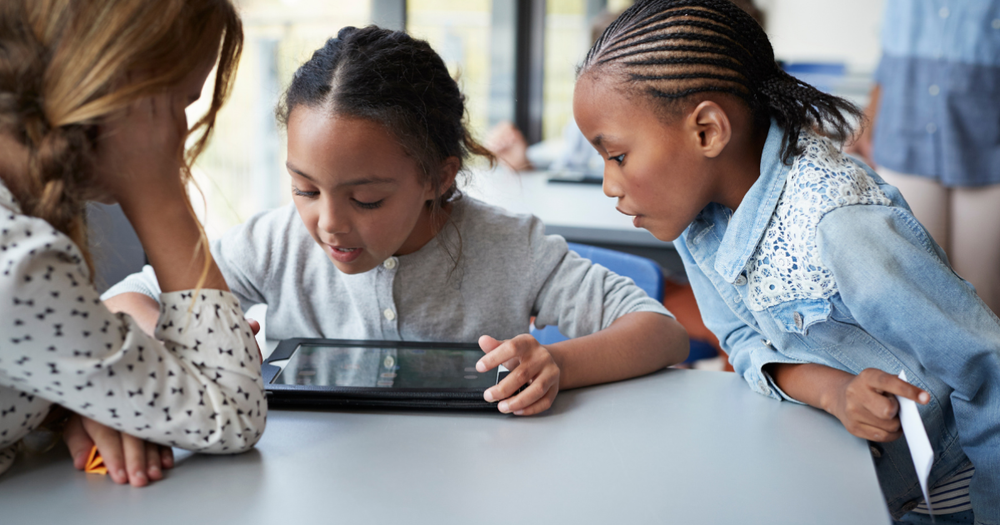
Inclusive learning tools are essential for creating an educational environment where every student feels empowered to express their ideas and participate actively. These tools cater to diverse learning needs and promote engagement among all students, ensuring that no one is left behind.
Key Features:
- Accessibility: Tools designed to accommodate various learning styles and needs, ensuring that all students can participate.
- Collaboration: Features that encourage teamwork and communication among students, fostering a sense of community.
- Feedback Mechanisms: Tools that allow for real-time feedback, helping students understand their progress and areas for improvement.
- Resource Variety: A range of resources including videos, articles, and interactive content to cater to different learning preferences.
Use Cases:
- Classroom Integration: Teachers can use these tools to facilitate discussions and group projects, making learning more interactive.
- Remote Learning: In online settings, these tools help maintain engagement and collaboration among students.
- Special Education: Tailored tools that support students with disabilities, ensuring they have equal opportunities to learn and contribute.