
Introduction
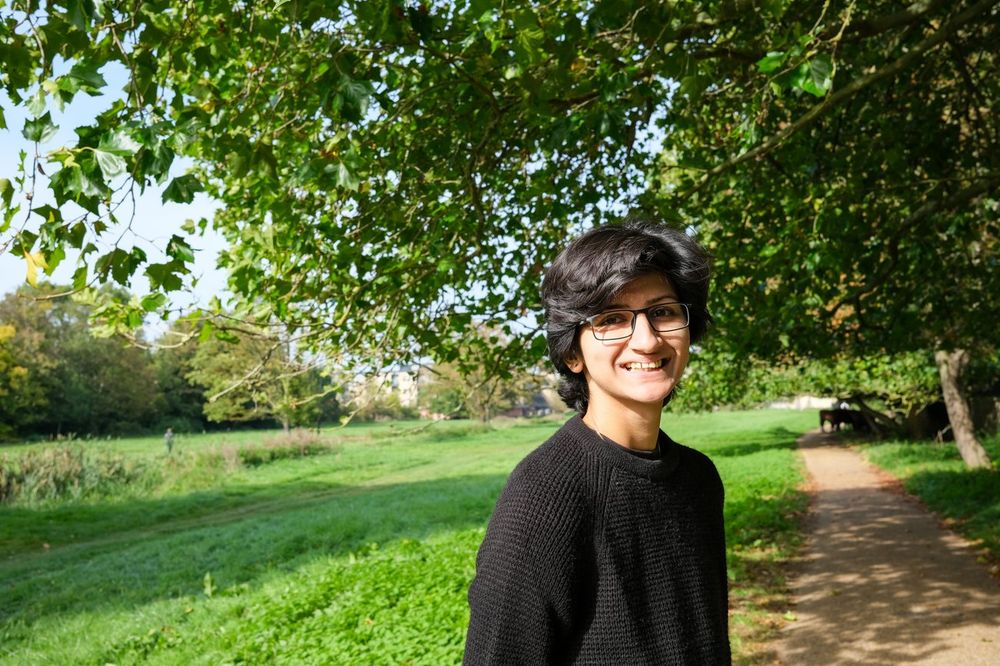
This article discusses the transformative potential of AI in assisting individuals with motor disabilities, particularly focusing on gaze-interaction technology. The narrative centers around the personal experience of Aleesha Hamid, whose cousin suffered a traumatic brain injury, leading to severe physical disabilities. Through the use of AI-powered gaze detection, individuals like her cousin can communicate more effectively, overcoming the limitations of traditional eye-typing systems. The article highlights the ongoing research at the University of Cambridge's Centre for Human-Inspired AI, aiming to improve assistive technologies for better communication rates and user experience. Key features include:
- Gaze-Interaction Technology: Utilizing eye-tracking to facilitate communication.
- AI Enhancements: Improving speed and accuracy of gaze detection.
- User-Centric Design: Engaging with end-users to tailor technology to their needs.
This research not only aims to empower individuals with motor disabilities but also seeks to bridge the communication gap that exists due to current technological limitations.